Category Guide
China's most iconic dress — a form-fitting one-piece with a high mandarin collar, diagonal front closure, pankou knot buttons, and side slits. Born of 1920s Shanghai modernity, still evolving a century later.
Definition
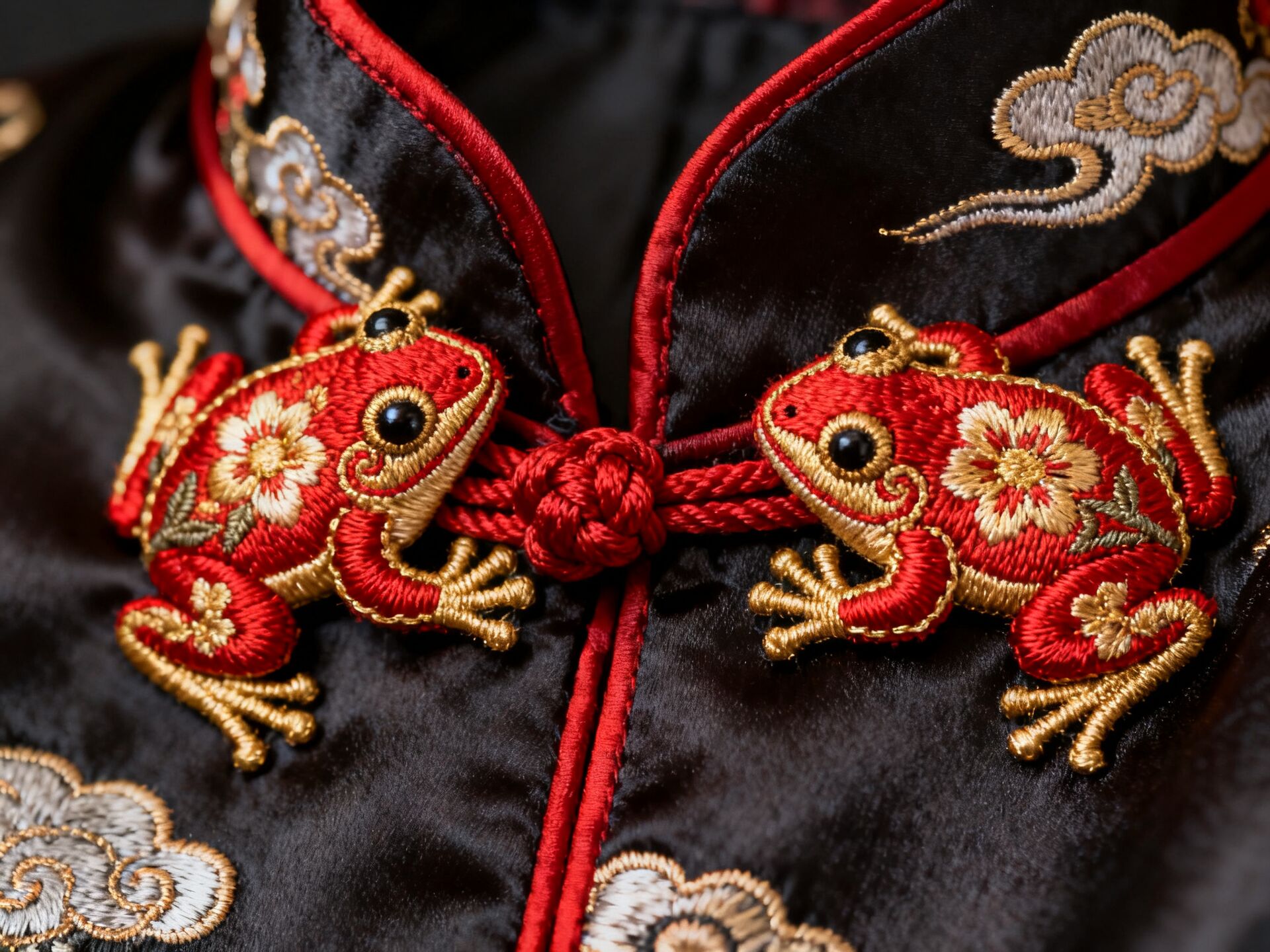
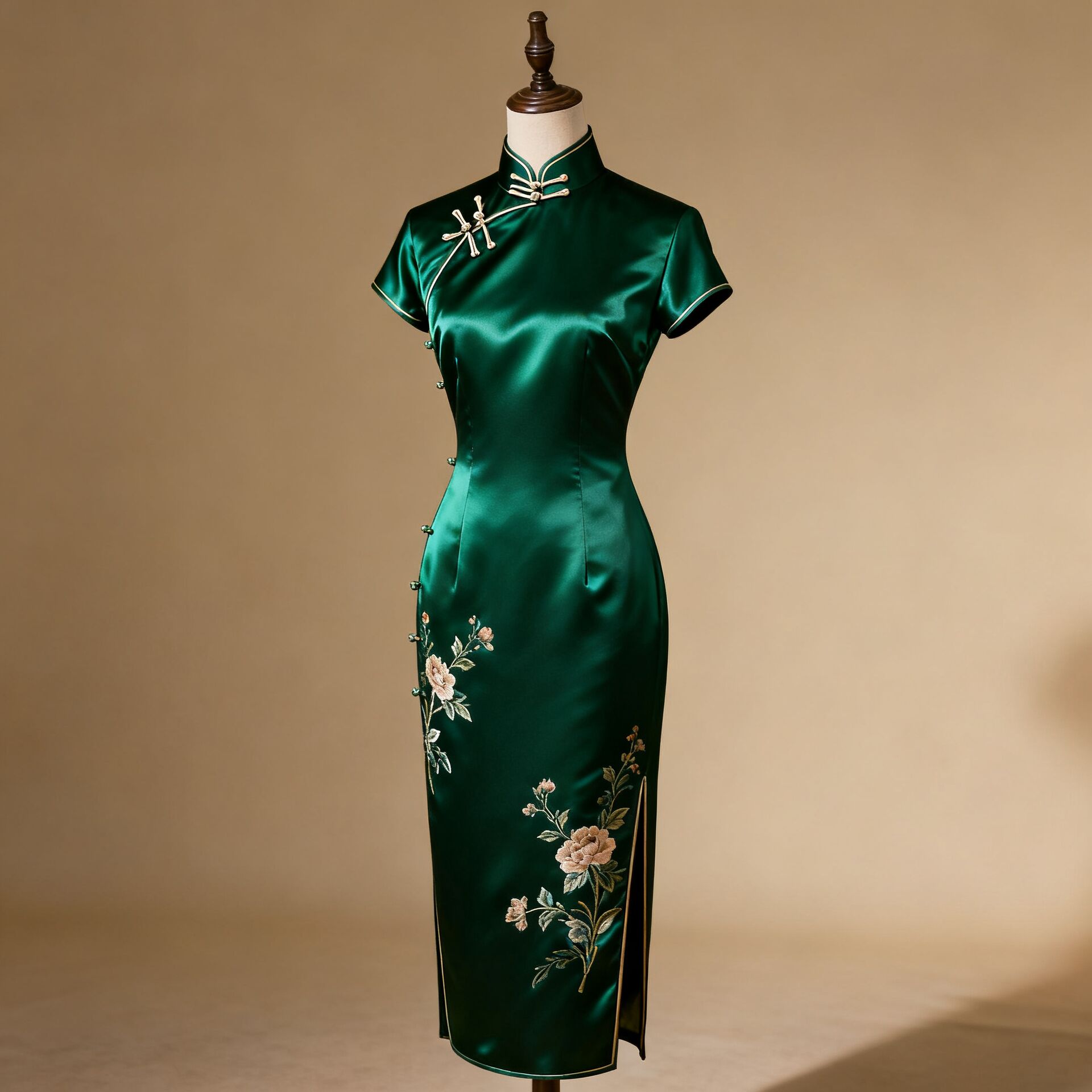
The qipao (旗袍, Mandarin) or cheongsam (长衫, Cantonese) is a one-piece dress recognized worldwide as the quintessential Chinese garment. Its defining elements:
It is at once a historical artifact, a national symbol, a wedding garment, a cocktail dress, and — in its contemporary iterations — a fixture of modern wardrobes from Shanghai to Paris.
Origins
The qipao evolved from the qizhuang (旗装) — the traditional attire of Manchu women during the Qing Dynasty (1644–1912). These wide, long-sleeved, A-line robes bore little resemblance to the fitted dress we know today.
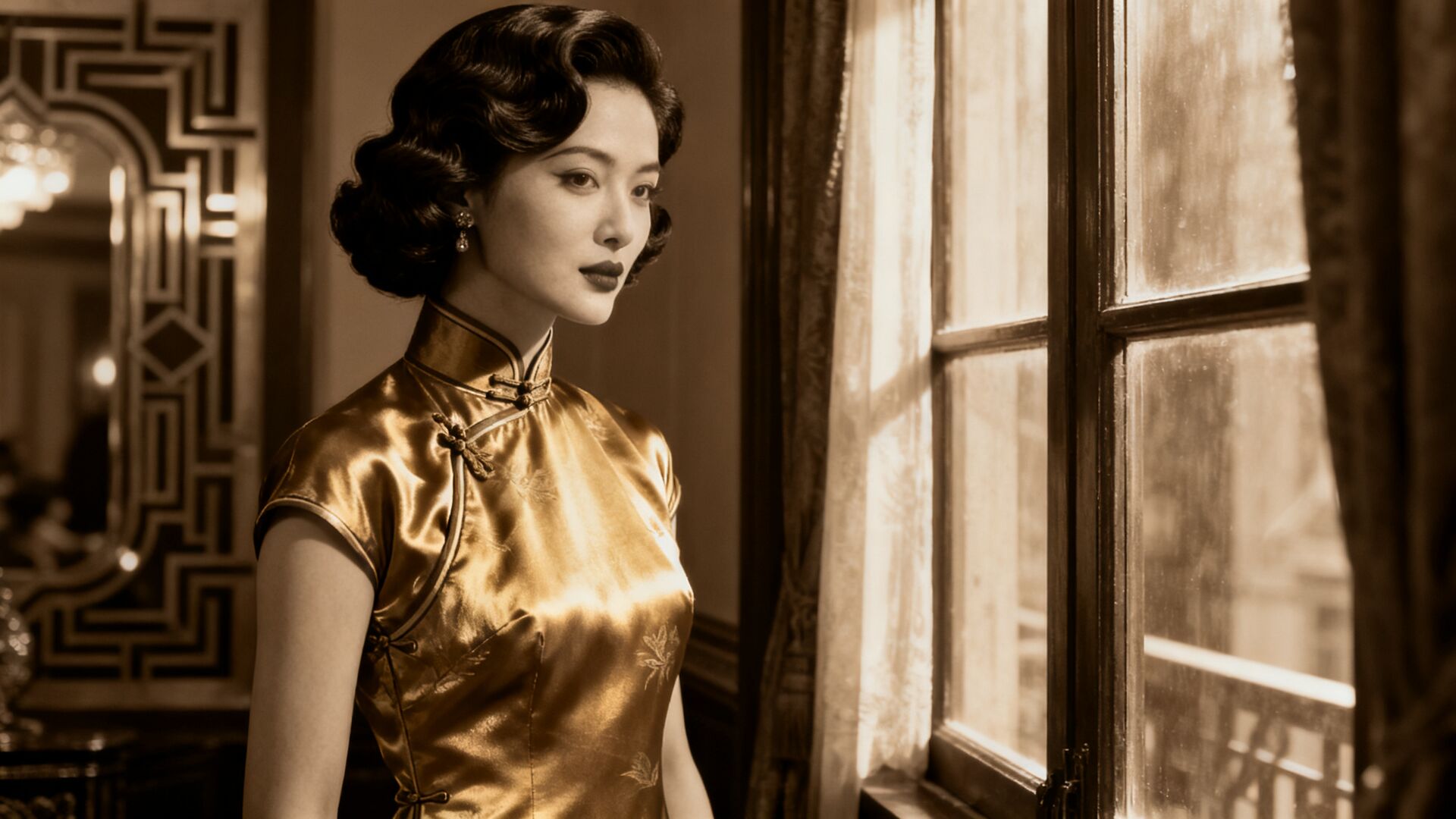
The modern silhouette was born in 1920s–1940s Shanghai, the "Paris of the East." As women entered universities, the workforce, and public life, they sought a garment that expressed modernity and independence — one that was both Chinese and cosmopolitan.
The qipao was progressively shortened, slimmed, and reshaped. Shoulder seams, waist darts, and side slits appeared. Fabrics became lighter. Colors bolder. The qipao stopped being a robe of the past and became a dress of the future — a symbol of the modeng nüxing (modern woman).
Fun fact: "Qipao" comes from Mandarin qípáo (banner-gown), referring to the Manchu "Eight Banners" system. "Cheongsam" comes from Cantonese cheung saam (long shirt) — originally a male garment, later adopted by women.
By Function
Not all qipao are alike. The same dress serves vastly different purposes — from sacred ceremony to everyday elegance.
The bridal qipao (often called a gua or embroidered with dragons and phoenixes) remains a centerpiece of Chinese weddings. Rich red silk, gold thread, and intricate hand-embroidery make these garments heirloom pieces.
On stages, at festivals, and in cultural diplomacy, the qipao represents Chinese femininity and artistry. Performance qipao often feature more dramatic fabrics, longer trains, and bolder embroidery than everyday styles.
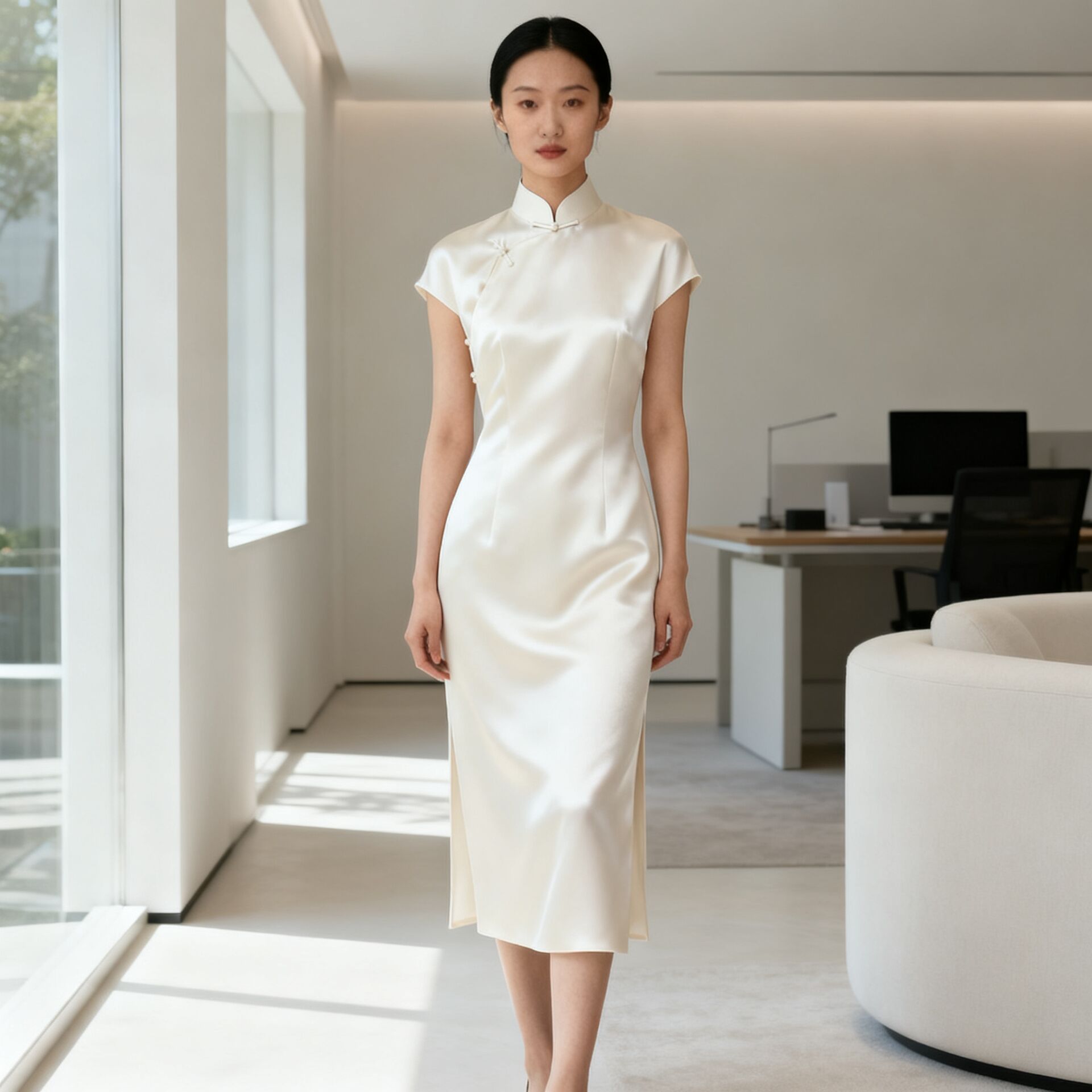
Today's qipao come as midi-length office dresses, sleeveless cocktail pieces, and minimalist evening gowns. Stretch-silk blends, simplified decorations, and contemporary prints make them approachable for everyday wardrobes.
Construction
Qipao are broadly divided into two construction philosophies — and the choice defines how the dress sits, moves, and feels.
The classic approach — a single piece of fabric cut flat, with minimal or no darts, creating a straight, gently draping column silhouette. This style is ideal for silk satin, which falls beautifully without needing shaping. The fit is looser, more forgiving, and closer to the original 1930s cut.
Introduced under Western influence — princess seams, waist darts, and shoulder construction create a body-hugging contour that follows the figure. This is the "Hollywood" qipao silhouette, celebrated for its glamorous, hourglass shape.
Fabric
Traditionally crafted in pure silk, today's qipao explore a range of materials — each imparting a different character.
The classic — glossy, luxurious drape, the quintessential qipao fabric. Most authentic for formal and bridal pieces.
A modern synthetic blend with a cool, smooth hand and wrinkle resistance. Popular for everyday and summer qipao.
Stretch-silk and cotton-silk blends offer comfort, ease of care, and a relaxed fit — a staple of modern designs.
Detail Guide
The ménjīn (门襟) — the front placket — is where a qipao's personality lives. Twelve classic designs flatter different face shapes and suit different occasions, from the simple straight placket to the elaborate pipa (lute) shape.
Classic diagonal line. Clean, timeless, suits most faces.
Gentle curves soften angular features. Romantic and feminine.
A rounded opening balances long face shapes beautifully.
An angular V-placket elongates the neckline elegantly.
A sweetheart curve — romantic, for special occasions.
Named for the lute shape. Ornate, traditional, statement-making.
Symmetrical opening — balanced, refined, formal.
A deep diagonal from shoulder to waist — dramatic and figure-flattering.
Eight of the twelve classic styles illustrated. Others include square, ingot (yuanbao), phoenix-tail, and ruyi plackets.
Today
A new generation of designers is reimagining the qipao for the 21st century — stripping it back, stretching its fabrics, and rethinking its place in a modern wardrobe.
Where vintage qipao were often densely embroidered, contemporary designs favor negative space, subtle texture, and a single statement detail — perhaps one fine pankou at the collar, or a thin line of piping along the slit.
Abstract florals, geometric patterns, ink-wash motifs, and even streetwear graphics have all appeared on modern qipao — extending the dress's vocabulary far beyond the traditional peony and phoenix.
The China National Silk Museum's Global Qipao Invitational Exhibition brings together designers from across the world each year, showcasing how the form continues to evolve in the hands of an international creative community.