Category Guide
The traditional clothing of the Han Chinese — three millennia of cross-collar robes, wide sleeves, and layered silks. From ancient ritual garments to a 21st-century cultural revival, discover the history, the styles, and the global renaissance.
Definition
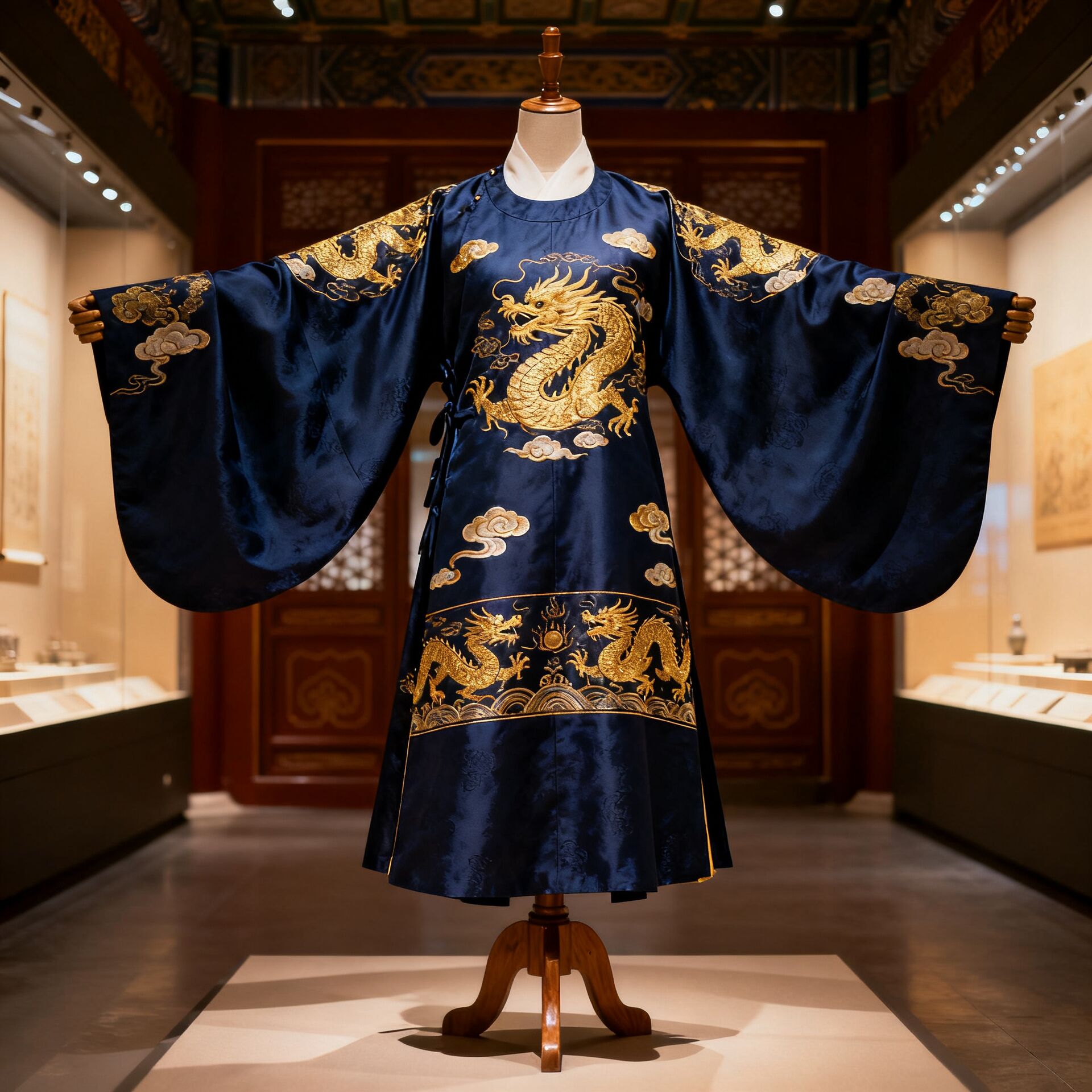
Hanfu (汉服) — literally "Han clothing" — refers to the traditional dress system of the Han Chinese people, developed over more than three thousand years of continuous cultural evolution.
Unlike a single garment, Hanfu describes an entire sartorial system built on several defining principles:
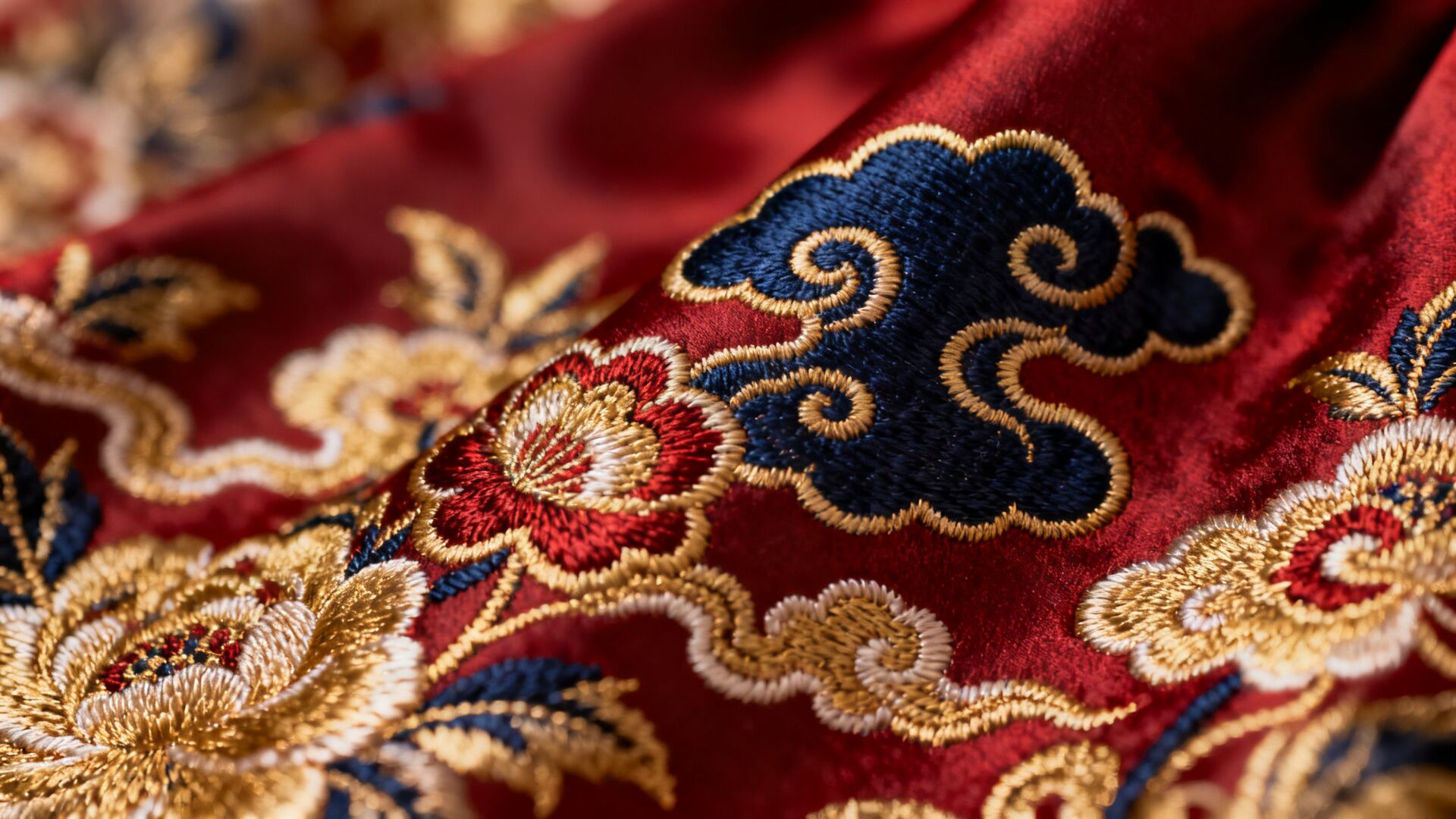
Each pleat, each embroidery motif, and each collar shape carries cultural meaning — auspicious symbols, social rank, seasonal references, and philosophical concepts woven directly into the fabric.
Dynasty Styles
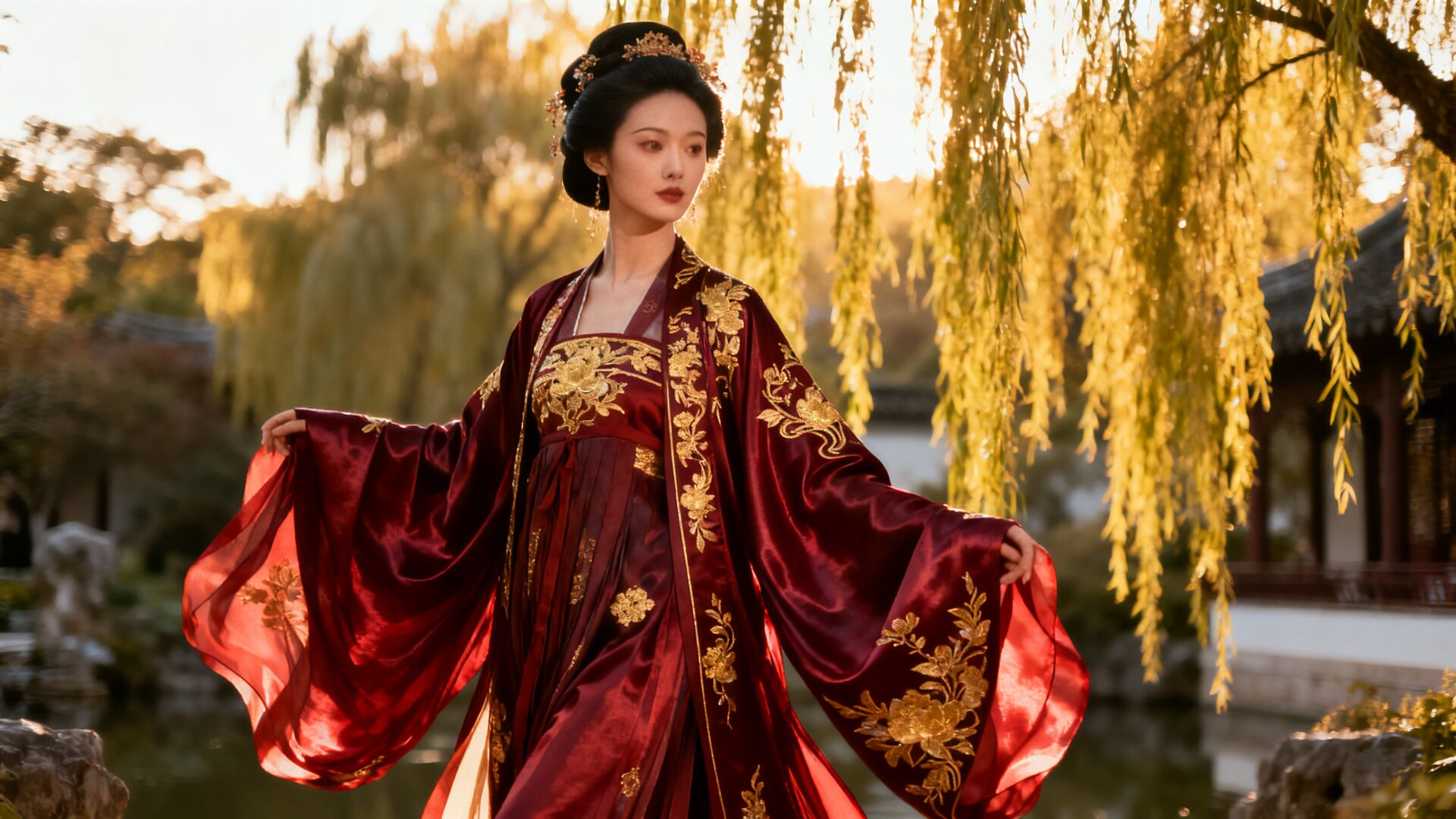
Hanfu evolved dramatically across dynasties. Three styles dominate the modern revival — each with a distinct silhouette and spirit.
Opulent, low-cut silhouettes with rich silk brocades, bold colors, and elaborate patterns. The Tang era's openness and prosperity produced some of Hanfu's most dramatic and romantic forms. Wide sleeves, flowing skirts, and gold-thread embroidery define the look.
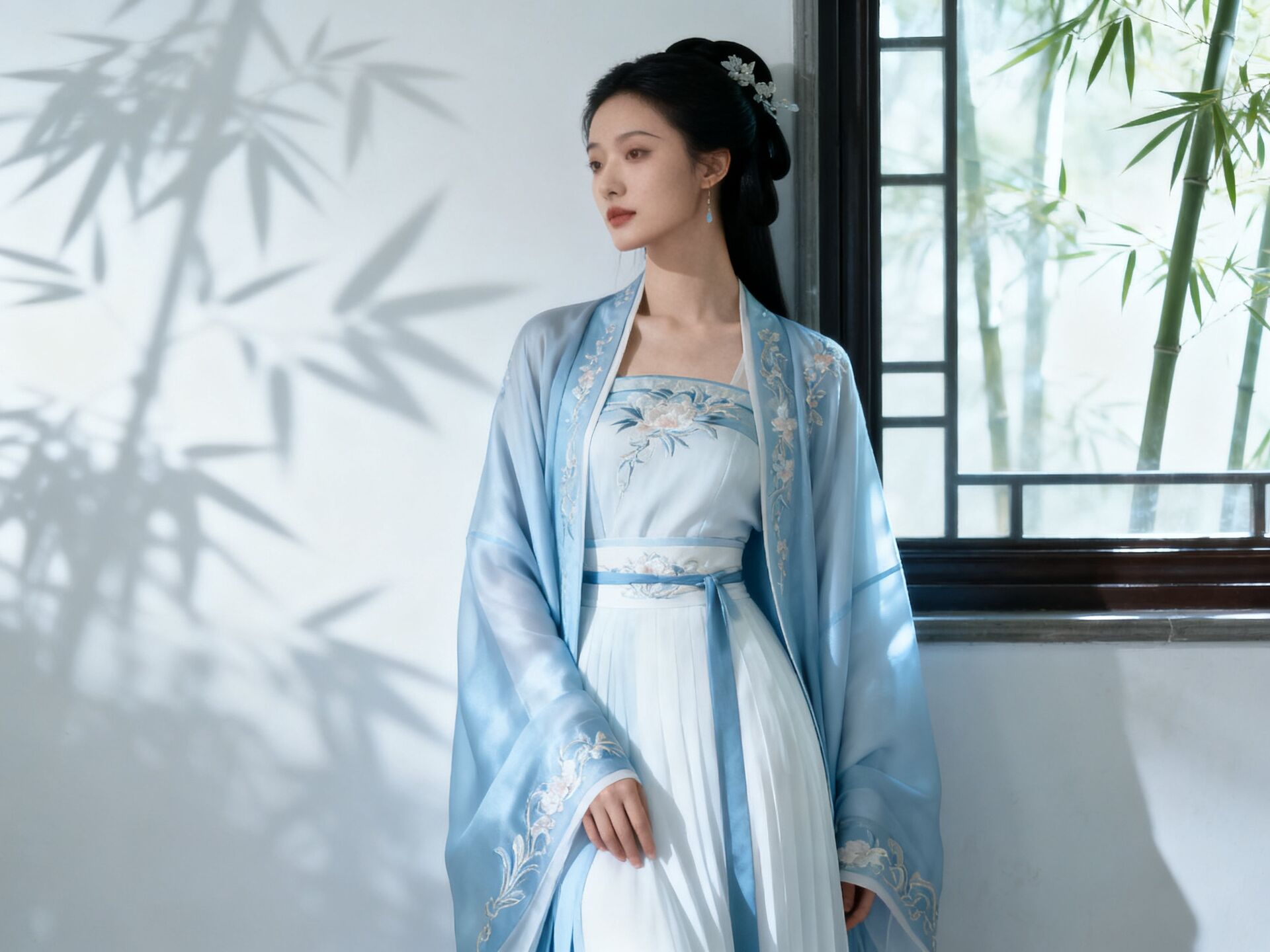
Refined, understated, and architectural. Song Hanfu favors slimmer silhouettes, narrower sleeves, and a more restrained palette — reflecting the dynasty's scholarly ethos and aesthetic philosophy. Beizi coats and pleated skirts are signature pieces.
The most popular style in today's Hanfu revival. Ming Hanfu features structured shoulders, upright collars, wide sleeves, and voluminous Mamianqun skirts. Its rich documentation — from paintings to surviving artifacts — makes it the most historically authentic choice for many enthusiasts.
The Icon
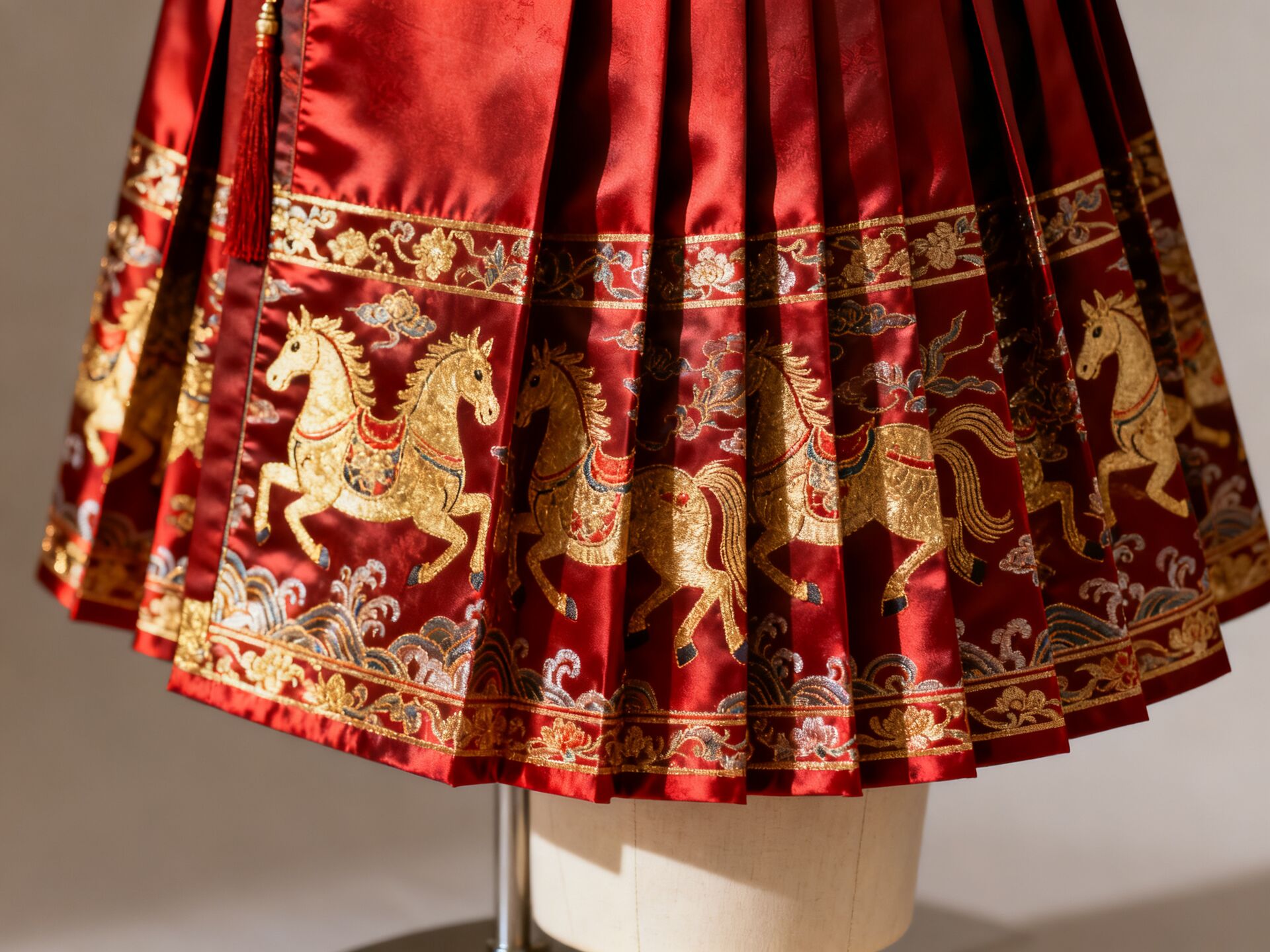
The Mamianqun (马面裙) or "horse-face skirt" is the single most recognizable garment of the Hanfu revival — and a genuine global fashion phenomenon.
Originating in the Ming Dynasty, the Mamianqun takes its name from the two overlapping flat panels at front and back (called "horse faces") flanked by deeply pleated side sections. The result is a skirt that sits flat at center front and back, with dramatic side pleats that flare with each step.
In 2024, Mamianqun sales on Douyin surged 841% year-over-year, as the skirt crossed from Hanfu subculture into mainstream fashion.
The garment gained international attention on Paris runways, was worn by influencers worldwide, and became a symbol of Chinese soft power — a 600-year-old design finding a new life in the TikTok era.
Garment Glossary
A beizi (褙子) is a long, loose outer coat with straight sides and wide sleeves, worn open over a cross-collar inner garment. It first appeared in the Sui Dynasty and became widespread in the Song — a versatile layer worn by both nobility and commoners.
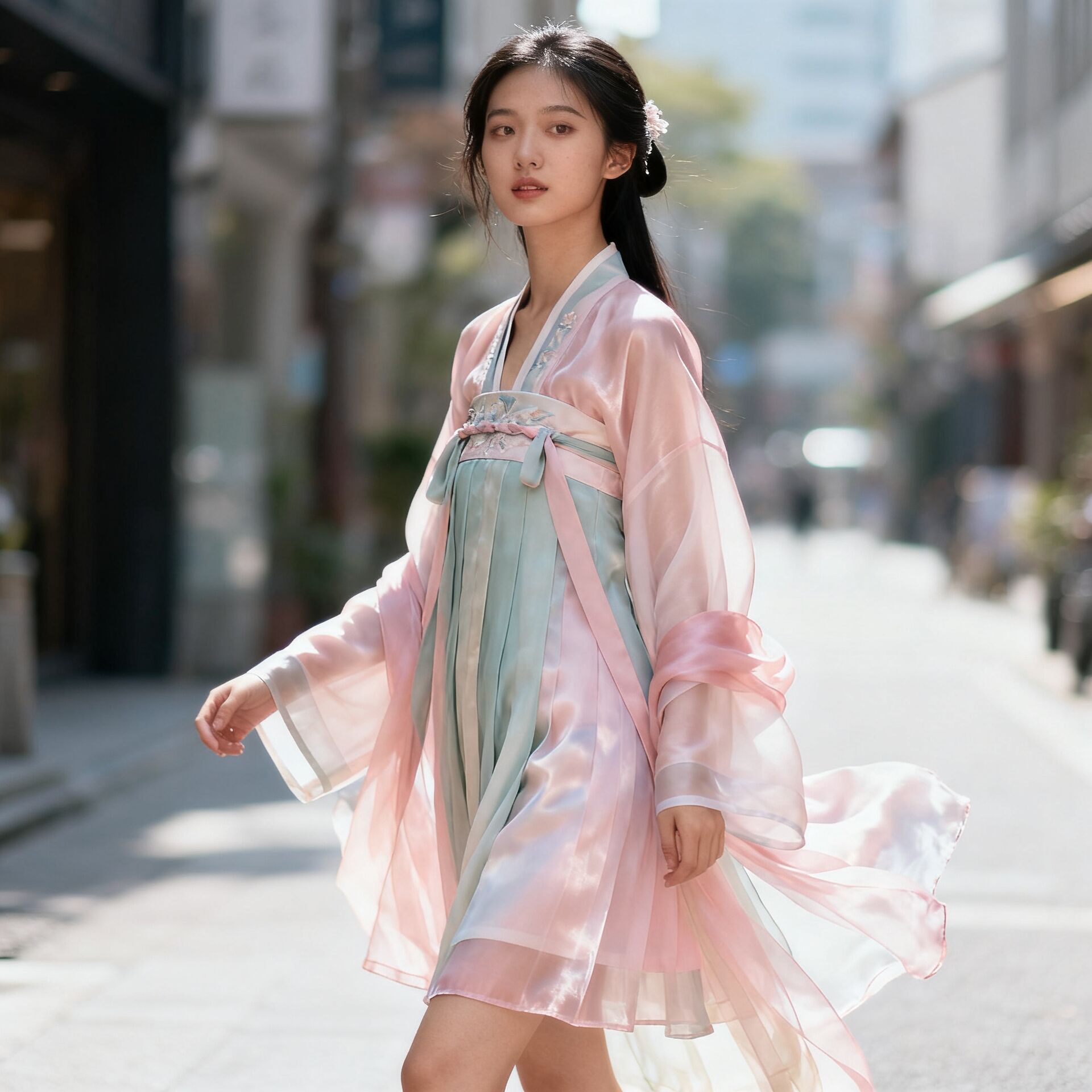
Modern beizi often come in sheer silk fabrics, making them popular summer pieces and a natural entry point for Hanfu newcomers.
The baidiequn (百迭裙) or "hundred-fold skirt" features dozens of narrow, evenly spaced pleats running the full circumference of the skirt. Unlike the Mamianqun's flat front/back panels, every section of a baidiequn is pleated — creating a uniform, flowing silhouette.
The style flourished in the Song Dynasty and has experienced a modern revival, appreciated for its elegant drape and the mesmerizing play of light across its many folds.
Modern Revival
The 21st-century Hanfu movement has given rise to two parallel currents — both redefining what traditional Chinese clothing can mean in daily life.
"改良汉服" (gǎiliáng hànfú) takes authentic Hanfu silhouettes and adapts them for everyday wear:
A broader design movement that extracts Hanfu's DNA — mandarin collars, pankou knots, Mamianqun pleats, cloud motifs — and fuses them with contemporary streetwear, tailoring, and even haute couture. It's less about historical accuracy and more about cultural identity through design.
Global Reach
Hanfu is no longer only a Chinese story. From Los Angeles to London, Tokyo to Toronto, communities around the world are embracing the robes, the rituals, and the identity.
Annual "Huafu Day" celebrations take place in cities across the globe every year on the third day of the third lunar month. Participants wear Hanfu to parks, museums, and cultural venues — building community and visibility outside of China.
International designers including Valentino, Dior, and Guo Pei have incorporated Hanfu elements — cross-collar constructions, Mamianqun silhouettes, and cloud embroidery — into haute couture collections shown in Paris and Milan.
For the Chinese diaspora and cultural enthusiasts alike, Hanfu represents a tangible connection to 5,000 years of civilization — each pleat, each embroidery motif, each fabric telling a story that bridges past and present.