Deep dives into Chinese fashion history, craftsmanship, and the modern revival — researched, reported, and written for a global readership.
Hanfu · Trend
March 14, 2026 · 8 min read
The Mamianqun Revolution: How a Ming Dynasty Skirt Conquered Global Fashion
In 2024, sales of the Mamianqun — a pleated "horse-face skirt" originating in the Ming Dynasty — surged 841% on Douyin. It appeared on Paris runways, was worn by Western influencers, and went viral across global social media. How did a 600-year-old garment become the year's most unexpected fashion phenomenon?
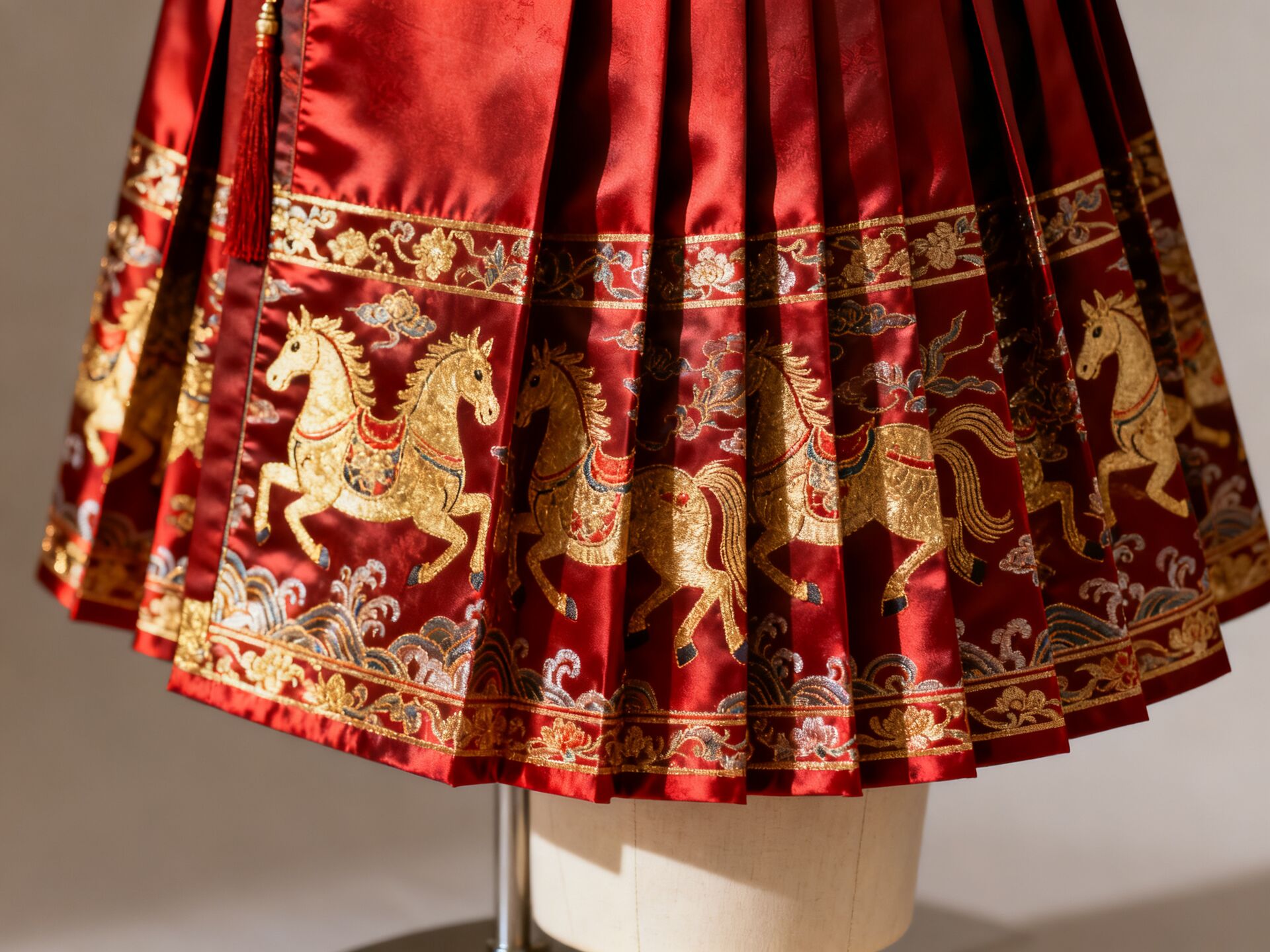
The Mamianqun takes its name from the two overlapping flat panels at the front and back, flanked by deeply pleated side sections. Its architectural structure creates a silhouette that's simultaneously structured and fluid — flat at center front and back, dramatically flared on the sides with every step.
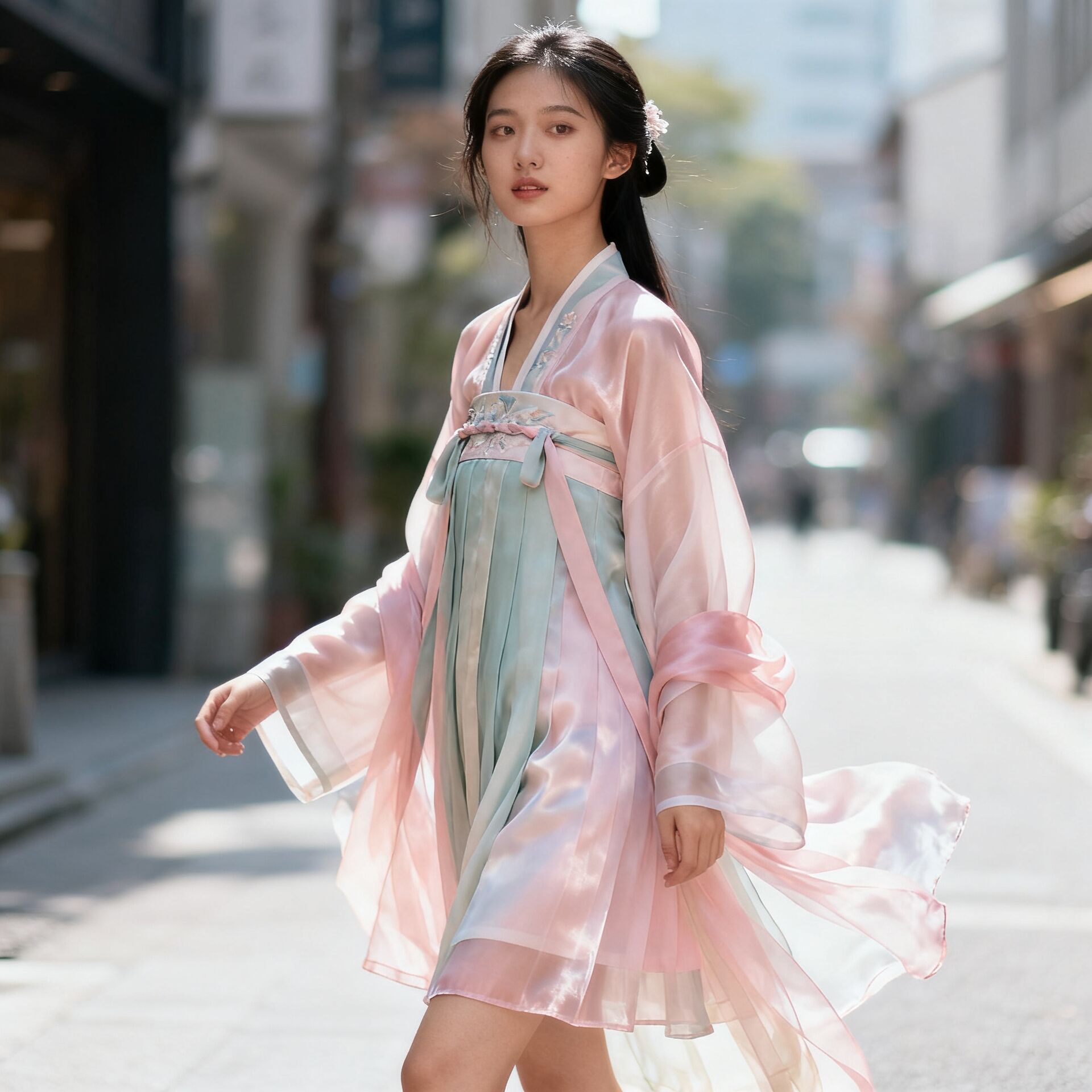
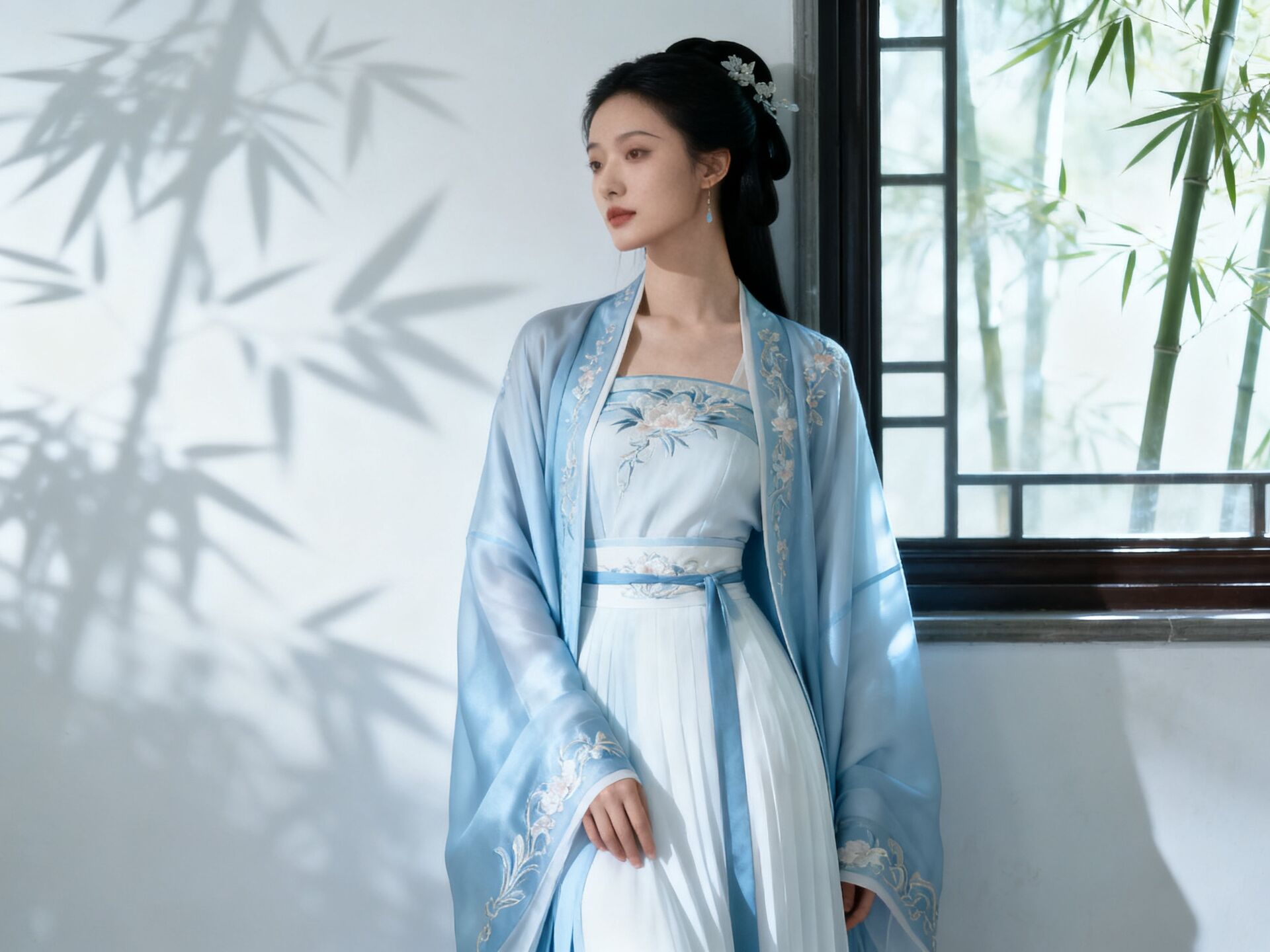
From university clubs to city parades, the Hanfu movement is growing beyond China. We talk to community leaders in New York, London, and Vancouver about how traditional robes are building diaspora identity — and surprising crossover appeal.
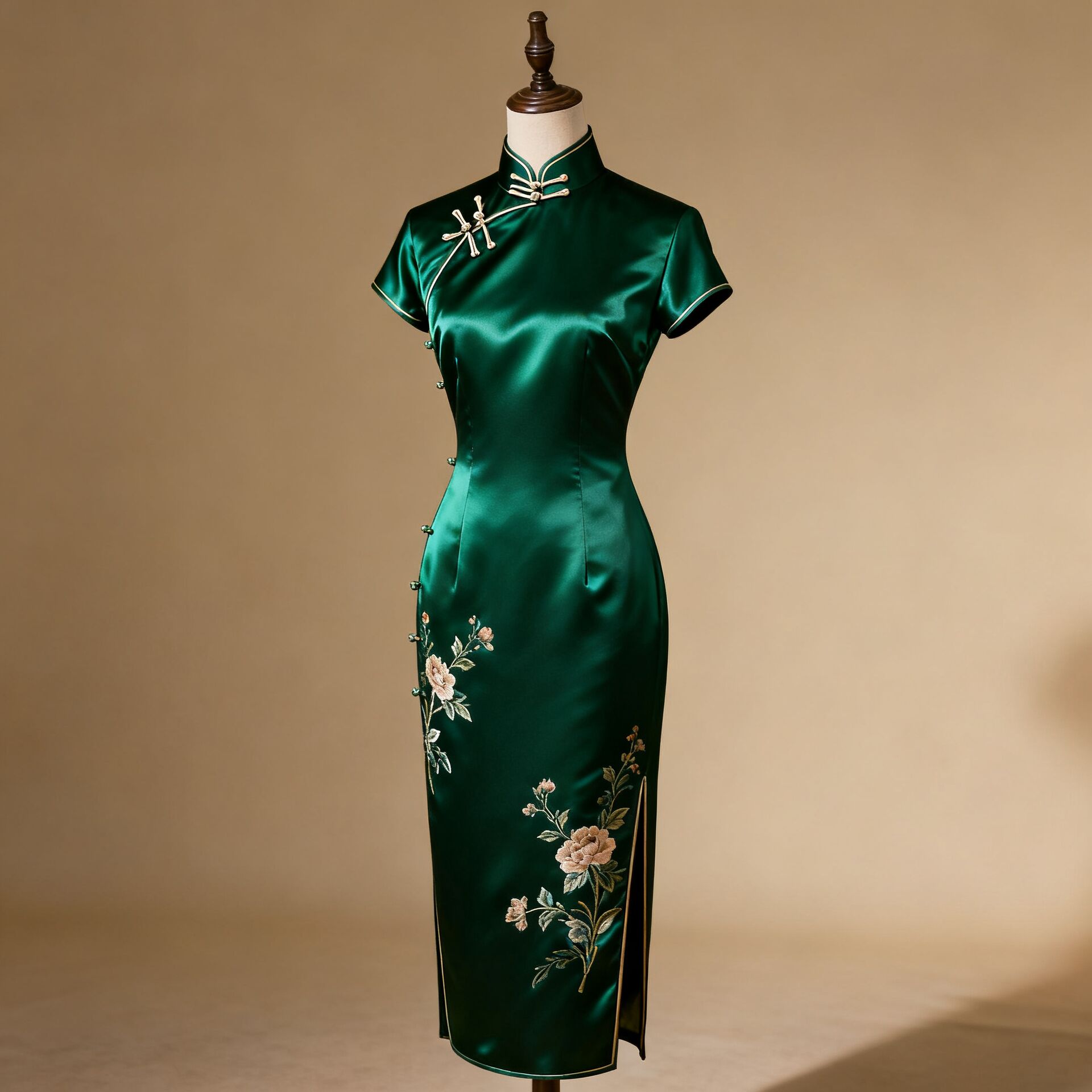
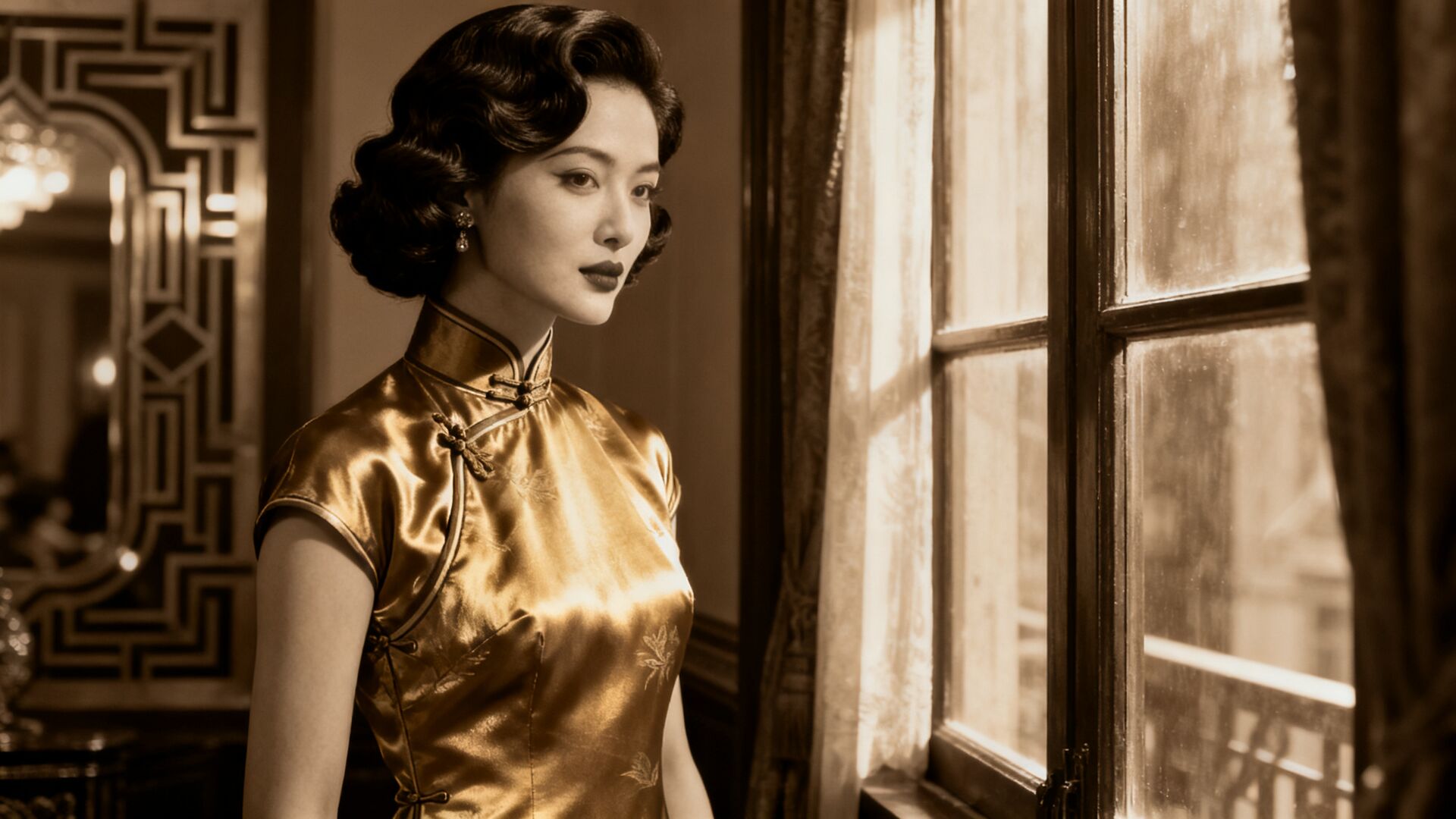
Everything you need to know about the cheongsam — from its 1920s Shanghai origins to modern iterations. We break down collar types, placket styles, fabrics, and how to choose a qipao that flatters your body and suits the occasion.
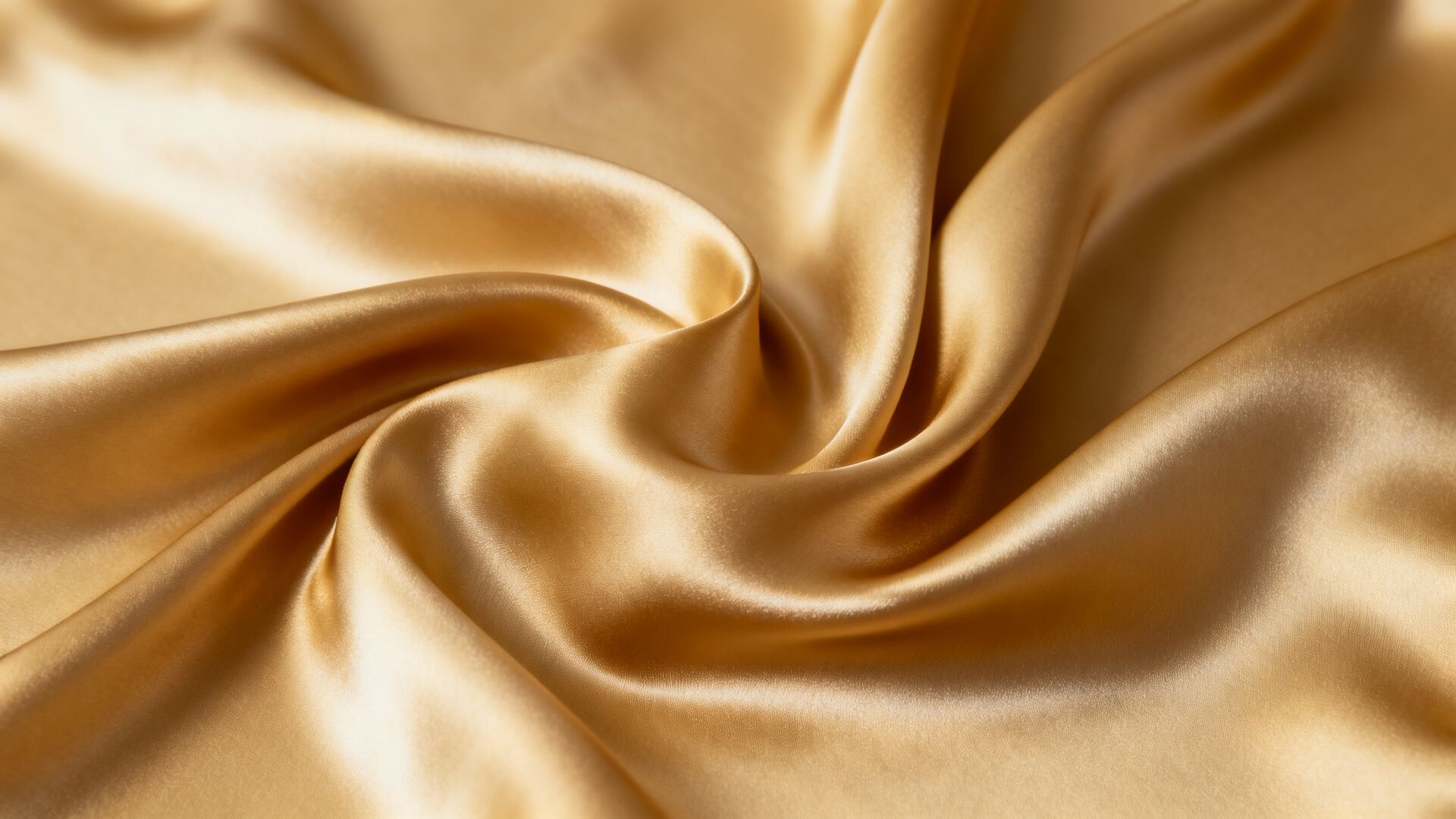
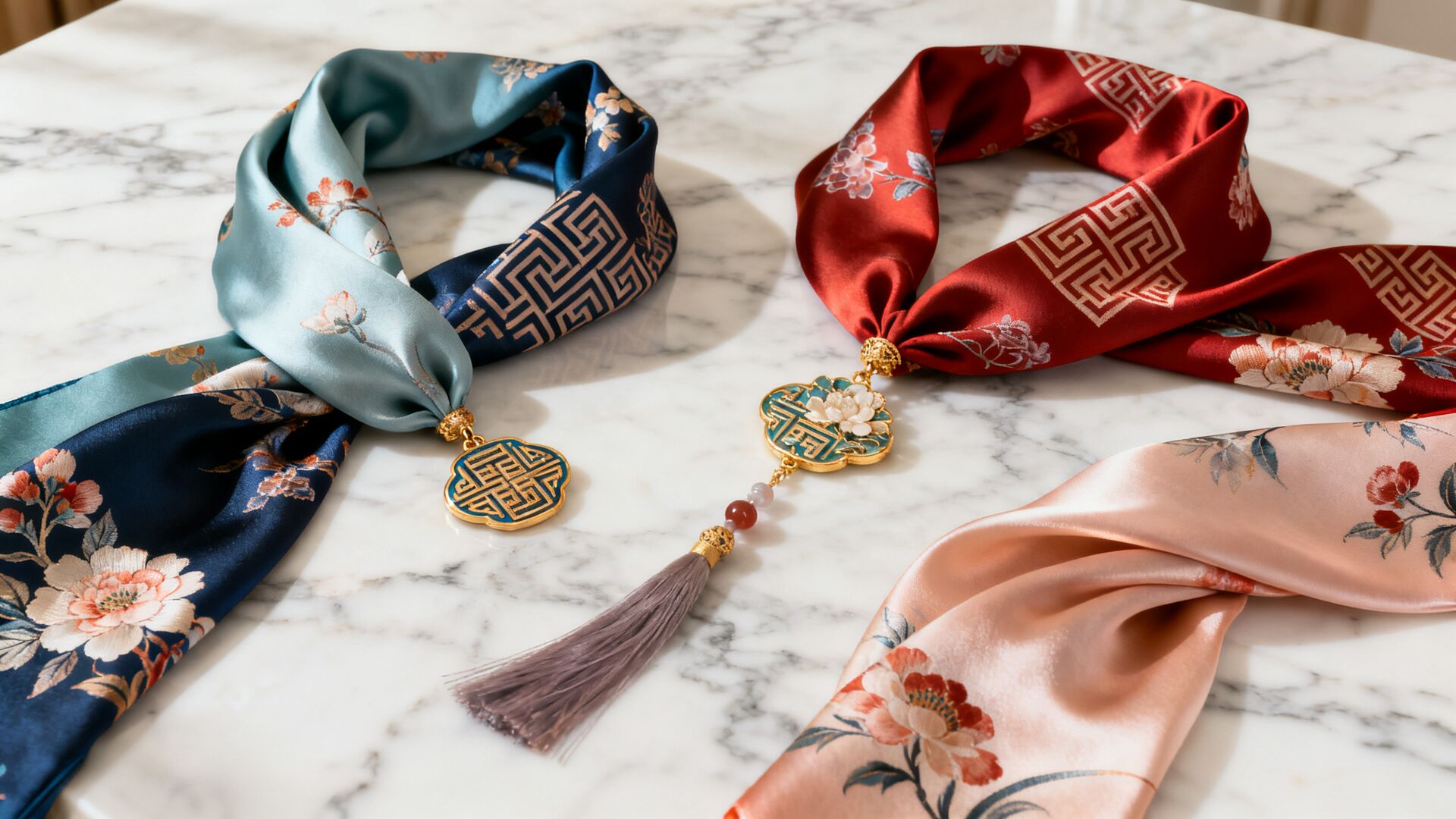
Not all silk is created equal. We compare cultivated mulberry silk and wild tussah silk side by side — fiber length, luster, texture, durability, price, and which one to choose for qipao, blouses, bedding, and scarves.
The new "新中式" movement is everywhere — from runways to streetwear. We trace how designers are extracting Hanfu's DNA and fusing it with contemporary silhouettes, creating a look that's culturally rooted but distinctly 21st century.
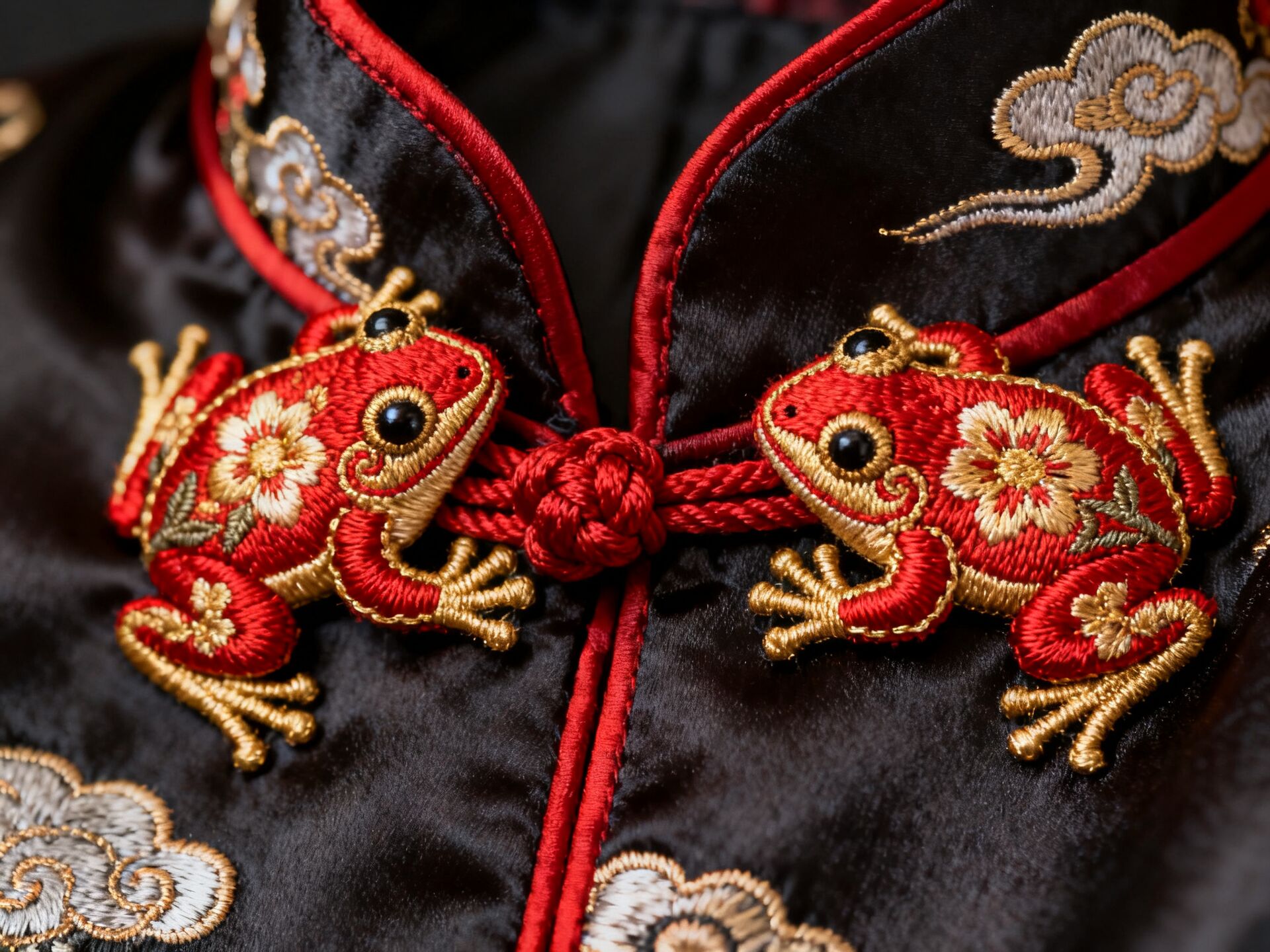
Pankou are more than fasteners — they're miniature sculptures, each shape carrying a specific symbolism. From simple straight knots to elaborate floral, butterfly, and phoenix designs, learn how to read the secret language of Chinese knot buttons.
Silk is stronger than steel — but it needs gentle handling. Our complete guide covers hand-washing, machine washing (when safe), drying, ironing, steaming, and long-term storage to keep your silk pieces beautiful for decades.
In the 1920s and 30s, the qipao went from Manchu robe to the uniform of the modern Chinese woman — and Shanghai was its stage. We look at the designers, starlets, and social changes that turned a traditional garment into a fashion icon.
Featured Story · Hanfu
The Mamianqun Revolution: How a Ming Dynasty Skirt Conquered Global Fashion
By Lin Wei · EastDressy Senior Editor · March 14, 2026 · 8 minute read
A Ming-dynasty style Mamianqun in red satin with gold-thread embroidery — a modern reproduction from Suzhou. (Photo: EastDressy)
In the spring of 2024, a peculiar garment began appearing everywhere. It showed up on the streets of Shanghai, on TikTok feeds in America, on Paris runways, and in the wardrobes of K-pop idols. It was the Mamianqun — the "horse-face skirt" of Ming Dynasty China — and its improbable rise says something surprising about how cultural fashion travels in the 21st century.
By the end of 2024, Douyin sales data would tell a staggering story: Mamianqun sales had surged 841% year-over-year. What had been a niche product within the Hanfu subculture was suddenly mainstream. Chinese university students paired it with hoodies. Fashion influencers styled it with blazers. Parisian designers adapted its pleat structure into couture collections.
What Exactly Is a Mamianqun?
The name translates literally as "horse-face skirt," and its anatomy is what makes it both architecturally fascinating and aesthetically unique. A Mamianqun is composed of two overlapping panels of fabric — one wrapping from each side — that create flat, unpleated "horse face" surfaces at the center front and center back. Between these panels, along the left and right sides of the skirt, run deep, crisp pleats.
The effect is a silhouette that shifts as the wearer moves: flat and structured when viewed head-on, voluminous and flared when seen from the side, with pleats that fan dramatically with every step. It's a design that rewards movement — which is perhaps why it has translated so well to short-form video.
From Imperial Courts to Viral Feeds
The Mamianqun first appeared in the Song Dynasty and was standardized in the Ming (1368–1644), where it was worn by women of all social classes, with fabric quality and embroidery indicating rank. Noblewomen's Mamianqun were made of silk brocade with gold-thread embroidery of flowers, birds, and auspicious symbols; commoners wore simpler versions in cotton or cheaper silks.
"The Mamianqun isn't just a skirt — it's a piece of engineering. The way the flat panels overlap, the way the pleats move, it's a garment that solves problems of modesty, movement, and beauty all at once."
— Chen Lina, Hanfu historian and author of Robes of Memory
For centuries, the Mamianqun was largely absent from mainstream Chinese fashion, sidelined by Western dress and then by decades of utilitarian clothing. The Hanfu revival of the 2010s brought it back into the consciousness of young Chinese, but it was a subcultural interest — the domain of history enthusiasts, cosplayers, and tradition aficionados.
The 2024 Breakthrough
What changed? The answer is partly algorithmic and partly cultural. The Mamianqun's dramatic movement made it inherently TikTok-friendly — a single "twirl video" could rack up tens of millions of views. But timing mattered too: as Chinese soft power expanded globally, audiences worldwide were primed for a fashion statement that felt new, ancient, and unmistakably Chinese all at once.
The crossover moment arrived when major international designers — including Valentino and Dior — incorporated Mamianqun-inspired pleat structures into their collections. The reaction was mixed: Hanfu purists debated whether the adaptations honored the tradition or diluted it, while mainstream fashion audiences discovered a silhouette they'd never seen before.
What Comes Next
The question now is whether the Mamianqun is a trend or a permanent addition to the global fashion vocabulary. History suggests it has staying power — this is a design that has already survived six centuries of dynastic change, revolution, and globalization.
What seems certain is that the Mamianqun phenomenon is only the most visible example of a broader shift. As Chinese heritage fashion gains global attention, more garments — from the beizi coat to the Song dynasty baidiequn — may soon find their way onto international runways and into everyday wardrobes.
A 600-year-old skirt, a viral moment, and a cultural awakening — the Mamianqun revolution may be just getting started.
The EastDressy Letter
Stories worth reading, monthly.
Our best longform reporting, culture deep dives, and style guides — curated and delivered to your inbox. Free, always.